Top 10 Photo Shoot Locations for Corporate Teams That Boost Brand Image

Recent Trends in Corporate Photography
Corporate teams are moving away from sterile, in-studio headshots toward dynamic, context-rich locations that reflect company culture. The rise of remote and hybrid work has also pushed brands to capture authentic, on-site moments that signal transparency and adaptability. Location scouts now prioritize spaces that double as visual brand assets—co-working hubs, rooftop gardens, industrial lofts, and curated outdoor settings.

Simultaneously, the demand for "Instagrammable" yet professional backdrops has grown. Teams seek venues that offer natural lighting, varied textures, and minimal post-production editing. This shift aligns with a broader trend in corporate storytelling: audiences expect to see real people in real environments, not staged stock imagery.
Background: Why Location Matters for Brand Image
The backdrop in a corporate photo is never neutral. It communicates values, professionalism, and attention to detail. A carefully chosen location can reinforce a company’s identity—for instance, a tech firm might use a modern co-working space to signal innovation, while a law firm may opt for a classically styled library to project stability.
Location also impacts team morale during the shoot. When employees feel comfortable and inspired by their surroundings, their body language and expressions become more natural, leading to higher-quality images. Conversely, a poorly chosen setting can create visual noise or contradict the intended brand message, confusing viewers and weakening trust.
User Concerns When Selecting a Location
- Cost vs. value: High-end venues can strain budgets, but free outdoor public spaces may lack privacy or require permits. Teams must weigh the return on brand impact.
- Accessibility and logistics: Consider parking, elevator access, and proximity to public transit. A difficult commute can drain energy before the shoot begins.
- Weather and seasonality: Outdoor locations need a backup plan. Even partially covered spaces may be affected by wind, rain, or harsh midday sun.
- Permission and usage rights: Shooting on private property or near copyrighted artwork can lead to legal issues. Always obtain written consent and clarify image usage scope.
- Variety of backdrops: A single room can become monotonous. Look for venues with multiple zones—indoor/outdoor, light/dark, open/intimate—to produce a range of shots.
- Acoustics and distractions: Nearby construction, echoing halls, or heavy foot traffic can disrupt audio for video snippets included in modern corporate shoots.
Likely Impact on Brand Perception and Team Morale
When a location aligns with the company’s narrative, the resulting images can boost credibility and recall. Studies in visual communication suggest that context-rich photos increase engagement on social media and investor-facing materials. Internally, teams that participate in a well-planned shoot often report stronger camaraderie and pride in their workplace representation.
However, a mismatch can backfire. An overly luxurious setting for a budget-conscious brand may appear out of touch, while a rundown venue might signal carelessness. The goal is authenticity, not perfection. Neutral, well-maintained spaces with subtle branding elements tend to perform best across industries.
What to Watch Next: Emerging Location Types
Several location categories are gaining traction for corporate teams:
- Converted industrial spaces – Warehouses repurposed into event venues offer raw brick, exposed beams, and flexible lighting for a creative yet polished look.
- Urban art districts – Mural-covered walls and pop-up installations provide low-cost, vibrant backgrounds that signal cultural awareness.
- Co-working and members’ clubs – These provide professional amenities, multiple rooms, and built-in networking opportunities during breaks.
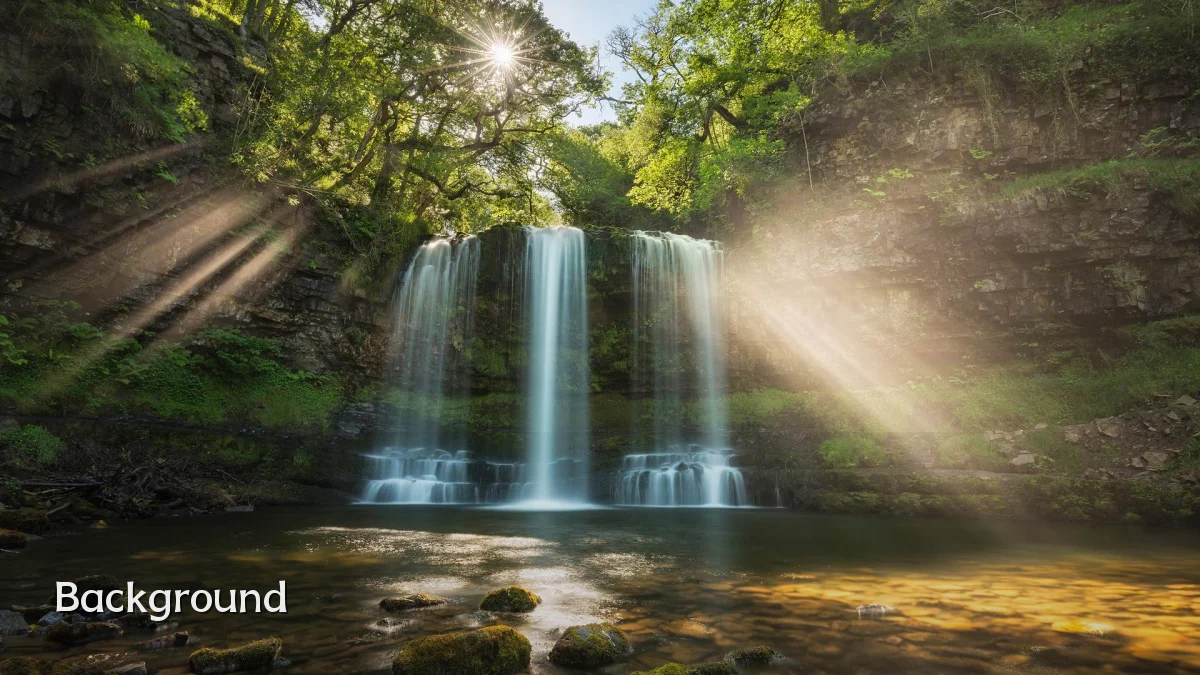
- Natural landscapes – Parks, botanical gardens, and waterfronts are popular for remote-first teams aiming to emphasize work-life balance.
- Virtual backgrounds as supplements – While not a replacement for physical locations, high-quality green-screen setups can extend the variety of backdrops without leaving one site.
Corporate teams should also monitor local zoning changes and new venue openings. Booking well in advance and doing a site visit at the same time of day as the planned shoot will help avoid surprises. Ultimately, the best location is one that feels like a natural extension of the brand’s story—not a distraction, but a seamless narrative tool.