Top 10 Photo Shoot Locations Every Event Planner Should Know
Recent Trends in Event Photography Spaces
Over the past two years, event planners have increasingly favored locations that offer natural light, distinctive architecture, and flexible layouts. The rise of social-media-driven event marketing has made photogenic backdrops a top booking criterion. Planners now prioritize venues that require minimal staging—raw brick, curated greenery, or open-plan interiors—while still accommodating production logistics.
- Urban rooftops with skyline views are in high demand for product launches and intimate gatherings.
- Converted industrial lofts offer adaptable floor plans and neutral palettes suited to varied themes.
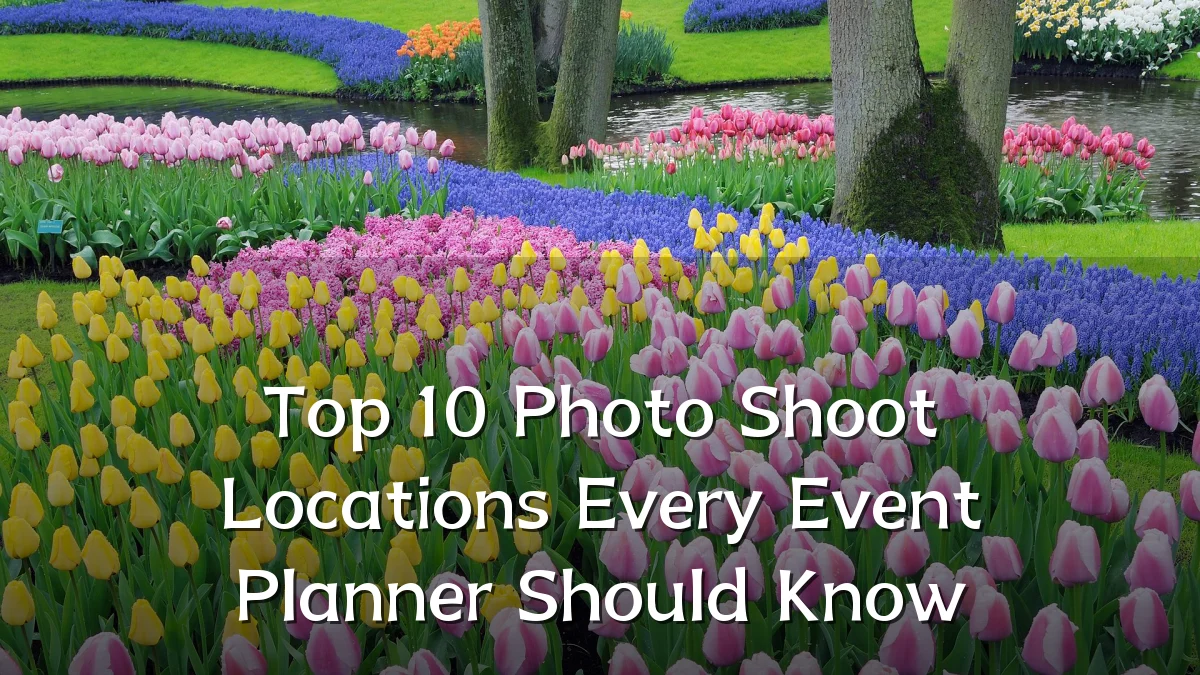
- Public gardens and botanical conservatories provide controlled outdoor aesthetics without weather risk.
Background: From Studio to Experiential
Traditional photo studios still serve commercial shoots, but event planners now seek locations that double as experiential venues. This shift responds to clients wanting authentic, shareable content from the event itself—not separate staged sessions. Many historic buildings, museums, and adaptive reuse spaces now market themselves directly to event professionals, offering both shoot-ready interiors and event hosting capacity.

- Museum galleries often provide curated backdrops and professional lighting, though scheduling restrictions apply.
- Libraries and archives offer formal elegance but require advance permits for equipment and furniture rearrangement.
- Private estates and ranches are increasingly available for rental, providing controlled outdoor settings.
Key Concerns for Event Planners
When selecting a location, planners must balance aesthetics with logistics. Common pain points include access restrictions, insurance requirements, and time-of-day limitations. Below are the factors most frequently flagged in industry feedback:
- Permitting complexity: Outdoor city spaces often require city-issued permits and proof of liability coverage, adding lead time.
- Noise and traffic: Urban locations may restrict hours for loud equipment or crowd control.
- Power and connectivity: Event shoots with extensive lighting or live streaming need verified electrical capacity and Wi-Fi strength.
- Set-up and breakdown windows: Many venues charge premium overtime fees for extended access.
Likely Impact on Event Planning Workflows
Adoption of these locations is reshaping how planners budget and schedule. Instead of renting separate shoot venues, planners are wrapping pre-event and post-event content capture into the main event timeline. This reduces vendor costs (fewer transportation and separate booking fees) but increases pressure on space flexibility.
- Contracts now routinely include clauses for early load-in for photo/video teams.
- Planners are investing in removable, venue-compliant backdrops to adapt any space quickly.
- Digital portfolios highlighting lighting and layout versatility are becoming essential to venue marketing.
What to Watch Next
Looking ahead, several developments could further shift location choices:
- Regulatory changes: Some cities are updating short-term rental laws affecting event spaces; planners should monitor local ordinances.
- Technology integration: Venues that install permanent controllable lighting rigs, green-screen walls, or modular wall systems will attract tech-heavy briefs.
- Hybrid indoor-outdoor spaces with retractable roofs or floor-to-ceiling glass partitions are emerging as year-round solutions for climate-dependent shoots.
- Growing demand for inclusive and accessible design may push venue owners to invest in wider doorways, level entry points, and quiet areas for both guests and crew.
Event planners who stay informed about these trends can proactively assess location portfolios and negotiate favorable terms, ensuring every shoot-ready space also supports seamless event execution.