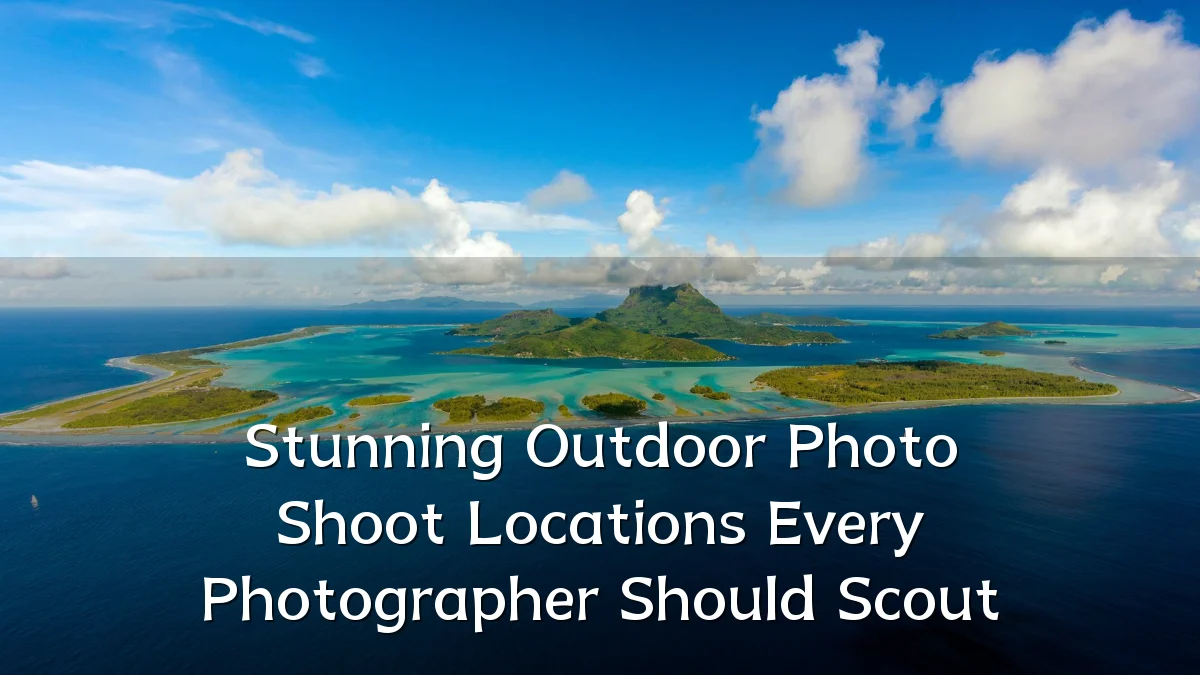
Stunning Outdoor Photo Shoot Locations Every Photographer Should Scout
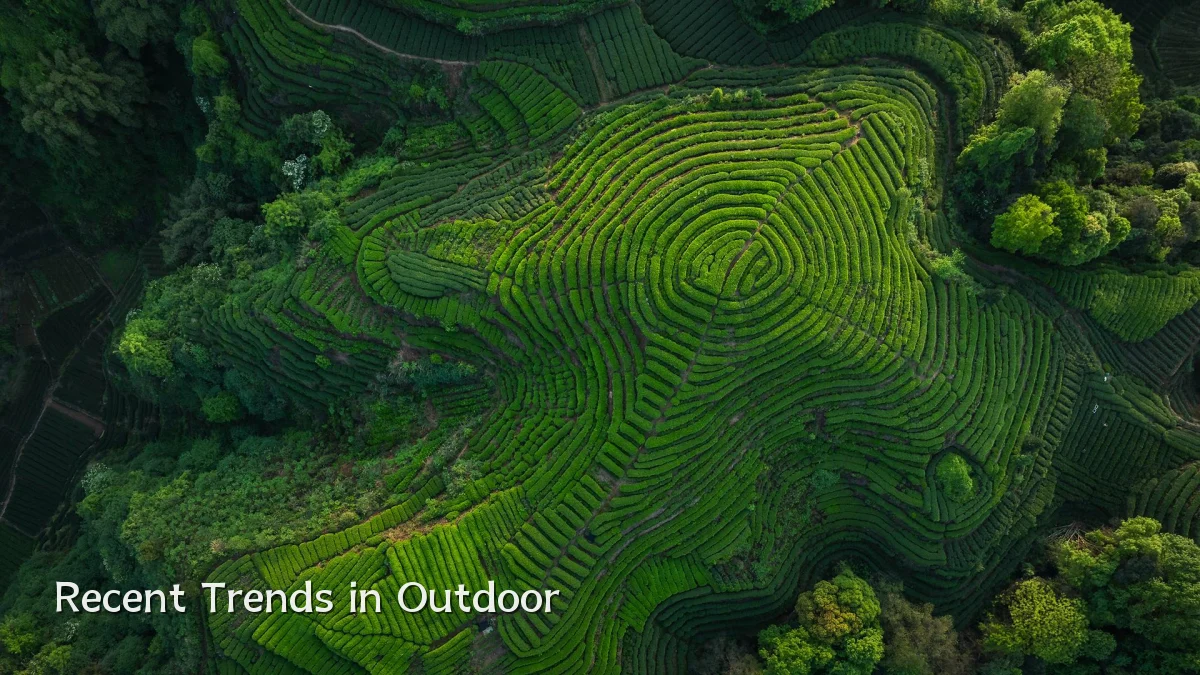
Recent Trends in Outdoor Location Scouting
Over the past several seasons, the demand for distinctive, off-the-beaten-path outdoor backdrops has intensified among portrait, fashion, and lifestyle photographers. Social media portfolios now reward originality over generic park scenes, prompting many image-makers to prioritize texture, light variation, and seasonal transitions when choosing a location. Simultaneously, permit requirements and access restrictions have become more common in popular natural areas, making advance scouting a professional necessity rather than a luxury.
Background: Why Scouting Matters More Now
Location scouting has long been a standard pre-production step, but recent shifts in client expectations have elevated its importance. As outdoor photography grows more competitive, a well-chosen setting can define a portfolio’s distinct voice. Key factors driving the emphasis on scouting include:

- Visual differentiation: A fresh, lesser-known location helps images stand out in saturated marketplaces.
- Logistical readiness: Understanding sun angles, seasonal foliage changes, and crowd patterns allows smoother sessions.
- Permit and access awareness: Many protected areas now enforce limits that vary by season or group size.
- Weather and safety planning: Familiarity with terrain and microclimates reduces on-location surprises.
Common Concerns When Selecting a Shoot Location
Photographers evaluating potential outdoor sites frequently weigh a set of practical and creative considerations. The most prevalent concerns include:
- Light quality and direction: Open shade, golden hour availability, and artificial fill feasibility.
- Background clutter: Power lines, parked vehicles, or intrusive signage can distract from the subject.
- Crowd density: High-traffic times may limit control over the frame.
- Accessibility: Parking proximity, walking distance, and terrain difficulty affect both photographer and subject comfort.
- Permit complexity: Costs and approval timelines vary widely by jurisdiction and intended use.
Likely Impact on Photographers’ Workflows
Integrating structured scouting into a regular routine can shift how photographers plan shoots. Those who scout in advance typically report higher confidence in lighting predictions and composition choices. The most notable workflow impacts include:
- Reduced on-site adjustment time: Pre-visualization shortens setup and reduces reshoot rates.
- Better portfolio cohesion: Intentional location choices align with a consistent aesthetic across a body of work.
- Increased client satisfaction: Prepared photographers project professionalism and deliver reliable results.
- Adaptability to changing conditions: Knowing alternative spots within the same area provides flexibility when weather or crowds shift.
What to Watch Next in Outdoor Location Photography
Several emerging dynamics are likely to influence how photographers identify and use outdoor locations. Areas to monitor include:
- Regulatory trends: More public lands and urban parks may implement paid permits or reservation systems for commercial sessions.
- Seasonal timing shifts: Changing climate patterns could alter optimal foliage, wildflower, or snowfall windows in many regions.
- Digital scouting tools: Apps and databases that map sunlight paths, seasonal color changes, and permit boundaries are becoming more specialized.
- Community-driven sharing: Online groups and forums increasingly trade scouting notes and less-crowded alternatives.
- Insurance requirements: Some venues and municipalities are beginning to request liability coverage as a condition of access.
Whether a photographer works with individual clients, editorial teams, or commercial brands, the ability to identify and secure a compelling outdoor setting remains a core professional skill. Scouting is no longer an occasional extra—it is a standard part of delivering consistent, high-quality results.