Unique Film Location Ideas for Your Next Indie Short Film

As short-form storytelling continues to gain traction on streaming platforms and festival circuits, indie filmmakers are rethinking where they shoot. Rather than competing for high-cost studio space, a growing number of creators are turning to unconventional, low-budget locations that add visual character and narrative depth without breaking the bank. This analysis examines the landscape of location scouting for indie shorts, from evolving trends to practical trade-offs.
Recent Trends in Location Scouting for Indie Shorts
Filmmakers are shifting away from generic urban backdrops toward spaces that double as narrative devices. Abandoned industrial sites, suburban community centers, and even private residences during off-market periods are appearing in recent festival selections. Social media has accelerated this shift, with location-scouting groups and short-film cooperatives sharing leads on underused spaces in real time.
- Non-traditional interiors such as laundromats, 24-hour diners, and after-hours retail stores are being used for their built-in mood and lighting.
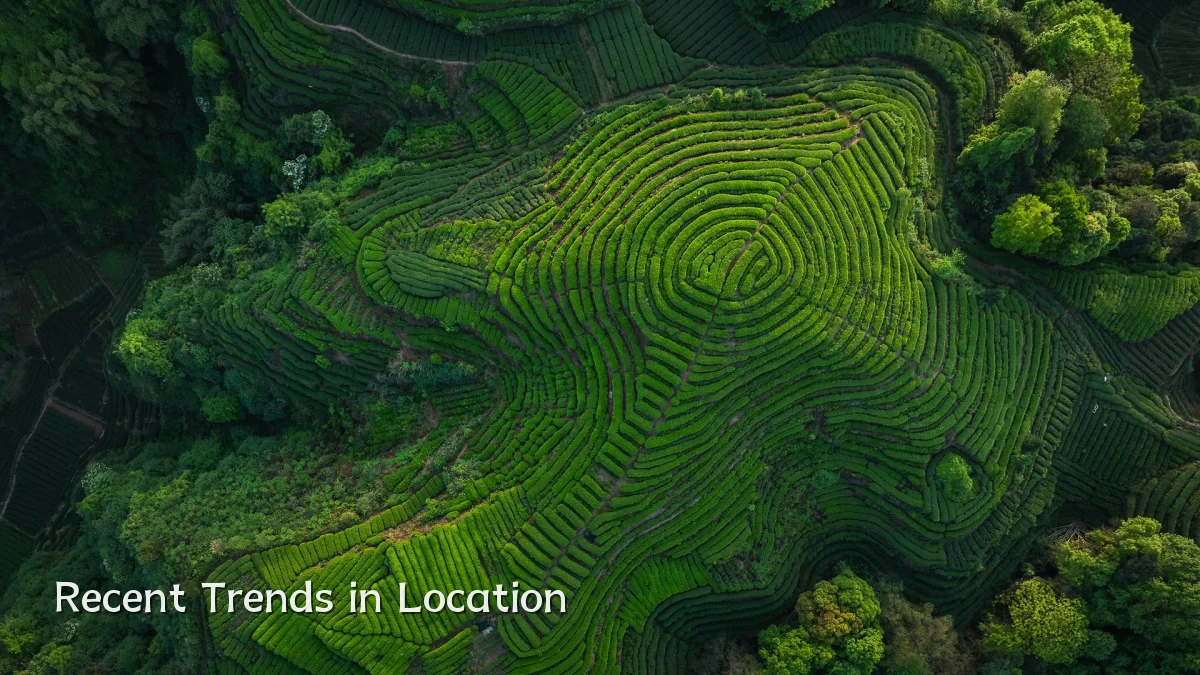
- Rural or semi-rural properties—like barns, greenhouses, and unused churches—offer natural isolation and strong visual contrast at minimal rental cost.
- Time-bound access locations, such as school gymnasiums during summer break or office lobbies on weekends, are becoming popular for their availability and controlled environment.
Background: Why Location Choices Matter for Indie Budgets
For a short film, the location often accounts for a significant portion of the below-the-line budget. Unlike features, shorts rarely have the buffer to absorb unexpected permit fees or insurance premiums for high-risk sites. Historically, many indie productions compromise on location to save money, often ending up in living rooms or parks that lack cinematic specificity. The current wave of location creativity stems from a practical need: making a small budget look deliberate rather than restrictive.

- Permit costs can vary widely between municipalities; some offer day-use permits for non-commercial shoots starting around the lower end of a moderate local fee range.
- Private property owners may charge a daily rental that is often negotiable, especially if the production is limited to a small crew and no permanent alterations.
- Sound isolation and lighting control—key for short film quality—are often easier to manage in unconventional interior locations than in public parks or busy streets.
Common Concerns When Selecting a Location
Indie filmmakers frequently face a set of recurring hurdles when scouting unique sites. These concerns can make or break a production schedule, especially when the crew is small and time is tight.
- Access and logistics: Unusual sites may lack parking, restrooms, or loading zones. A location that requires a long hike with gear can eat into shooting hours.
- Permit and liability uncertainty: Abandoned or semi-public spaces often have unclear ownership. Shooting without clear permission risks shutdown or legal issues.
- Weather and backup plans: Relying on a single outdoor location without a covered alternative can delay or cancel a shoot. Many indie productions now scout two viable sites per scene.
- Acoustic quality: Highly reverberant spaces like empty warehouses or tiled halls can ruin dialogue audio without extensive sound treatment, adding hidden cost.
Likely Impact of Creative Location Selection
Choosing a distinctive location can raise the production value of an indie short more efficiently than expensive lighting or post-production work. A well-chosen site provides natural texture, depth, and context that supports the story without additional design effort. Early feedback from festival programmers suggests that shorts with a strong sense of place—whether a cramped booth, a decaying library, or a rooftop—tend to hold viewer attention more consistently than those shot in neutral or generic spaces.
However, the impact is conditional. A striking location that creates logistical friction can reduce the number of usable shots per hour. Productions that factor in setup and strike time when selecting a site often achieve more polished results than those that chase visual impact without operational planning.
What to Watch Next in Location-Focused Filmmaking
The next phase of indie location scouting is likely to involve more digital tools and collaborative sharing. Several region-specific online forums already allow filmmakers to list properties for short-term loan or swap. As city permitting processes continue to digitize, indie directors may gain easier access to underused municipal spaces such as public libraries, transit stations, or community gardens on off-hours.
Another emerging area is the use of transitional spaces—locations that serve one function during normal hours but can be transformed with minimal set dressing. These include funeral homes during daytime, school auditoriums after hours, and commercial kitchens early in the morning. For short-form storytelling, the ability to extract maximum narrative value from a single, affordable location will remain a core competitive advantage for indie productions.