Stunning Wedding Venue Examples for a Rustic Outdoor Celebration
Recent Trends
Over the past few seasons, couples have increasingly gravitated toward outdoor venues that emphasize natural beauty and handcrafted details. Barns, vineyards, farmhouses, and forest clearings now dominate real-wedding galleries. The trend reflects a broader desire for intimate, authentic experiences that break from traditional ballroom settings. Many couples also seek venues that support sustainable practices—such as locally sourced catering and minimal decor waste—which aligns with the rustic aesthetic.

- Micro-weddings (20–60 guests) have popularized smaller outdoor spaces like gardens or private estates.
- “Unplugged” ceremonies and digital-free moments are common in remote rustic locations.
- Hybrid indoor-outdoor layouts (e.g., a barn with an attached tented patio) address weather variability without sacrificing the outdoor feel.
Background
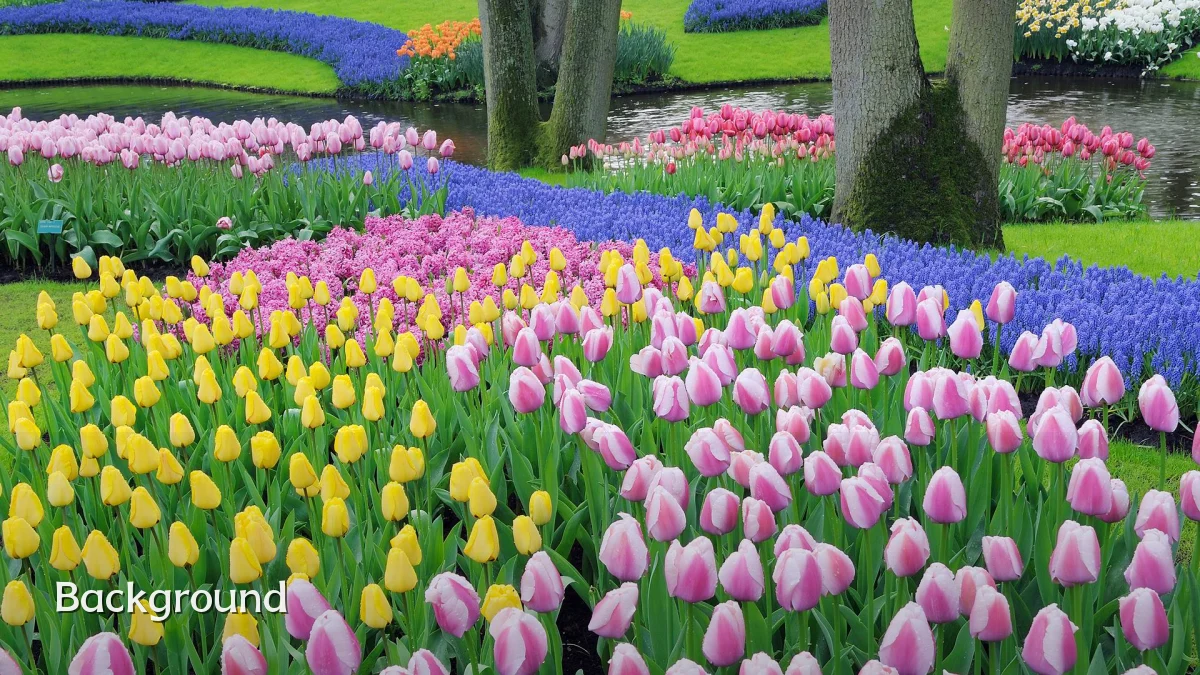
Rustic outdoor celebrations draw from a long tradition of agrarian and pastoral gatherings. Venue types evolved from simple backyard weddings to professional ranch, orchard, and preserve settings. Today, many venues are purpose-built or retrofitted—converted dairy barns, repurposed grain silos, or restored homesteads—while others retain original working farm elements. The key feature remains an unpolished natural backdrop: open fields, mature trees, stone walls, or mountain vistas. Permitting and zoning have also matured, making rustic sites more accessible for legal ceremonies and receptions.
“A rustic venue isn’t just a location; it’s a canvas for personal touches—from handmade signage to farm-to-table menus.” — Industry observer
User Concerns
Couples evaluating rustic outdoor venues prioritize several practical issues beyond aesthetics. Weather is the most common variable, often requiring backup plans such as tent rentals or indoor overflow spaces. Amenities like restrooms, power, parking, and catering kitchens vary widely between converted barns and purpose-built event spaces. Budget ranges also differ significantly; a remote vineyard may require higher transportation and accommodation costs, while a community park pavilion can be more affordable but may lack exclusivity. Accessibility for elderly guests and compliance with local noise or fire regulations are further considerations.
- Weather contingency: Many rustic venues offer on-site barns or covered patios, but some rely on rental tents—check lead times and costs.
- Infrastructure: Verify restroom capacity, electrical hookups for lighting and music, and sufficient parking.
- Catering and alcohol: Some rustic venues have preferred vendor lists or in-house kitchens; others allow outside catering with a prep space.
- Permits and insurance: Public lands (state parks, national forests) often require special use permits and liability insurance.
- Timing: High-season weekends (late spring through early fall) book 12–18 months ahead; off-peak dates may offer lower rates.
Likely Impact
Choice of venue directly shapes the wedding day’s tone and logistics. A rustic outdoor setting encourages natural light photography, relaxed attire, and interactive guest experiences (e.g., lawn games, bonfires). It also tends to shift the timeline: outdoor ceremonies often occur earlier to capture golden hour, and receptions may need to end before dusk in unlit areas. For planners, rustic venues typically require more coordination with vendors—tent setup, portable restrooms, and seasonal landscaping. However, the organic environment can reduce decor costs, as the landscape itself provides the main aesthetic. Guest satisfaction often hinges on comfort measures like shade, insect repellent, and clear directional signage.
| Venue Type | Typical Guest Capacity | Common Infrastructure | Average Planning Lead Time |
|---|---|---|---|
| Converted barn | 50–150 | Restrooms, limited kitchen, parking | 12–18 months |
| Vineyard/winery | 80–200 | Full restrooms, tasting room, lighting | 12–24 months |
| State park pavilion | 20–100 | Basic restrooms, picnic tables, no kitchen | 6–12 months |
| Working farm/ranch | 40–120 | Variable; often needs portable restrooms and tent | 10–18 months |
What to Watch Next
Several developments could reshape the rustic outdoor venue landscape in the near future. Pop-up venues—temporary structures on rented private land—are gaining traction, offering flexibility for couples who want a specific rustic scene not available at permanent sites. Likewise, “glamping” wedding weekends, where guests stay in luxury tents or cabins on-site, are becoming more common at rustic venues. Municipalities may tighten noise and light ordinances in residential rural areas, affecting late-night celebrations. Finally, climate patterns (e.g., extended wildfire seasons in some regions) could shift popular wedding windows or increase demand for fully covered rustic spaces. Couples planning a rustic outdoor celebration should monitor local regulations and consider early backup date options to mitigate risks.